
1908- La Vestale (Pathé frères). The adaptation of a classic
By STÉPHANIE SALMON
(Directrice des collections, Fondation Jerome Seydoux-Pathé)
Appearing in the Pathé catalogue in March 1908, La Vestale (The Vestal) is a Pathé adaptation of Gaspare Spontini’s opera, based on a libretto by Barbet de Jouy. The film, credited to Albert Capellani, marks a revival of the opera of the same name. Famous during the Empire, Spontini’s version was rarely performed in the second half of the 19th century.
With the premiere of La Vestale in December 1807, Gaspare Spontini had become Josephine de Beauharnais’s composer. The opera alluded to her love for Bonaparte, the future Napoleon I. The union had not been blessed by the Church, and it was only in December 1804, on the eve of the Emperor’s coronation, that the couple’s religious marriage took place under pressure from Pope Pius VII. The opera, and later the film, reflect this religious authoritarianism. Spontini imagined the passion of a high-ranking Roman military official, Licinius, for Giulia, the daughter of a commoner. Their love is soon thwarted by war (much like Bonaparte’s during the Italian campaign of 1796). When Licinius returns victorious to Rome (much like Bonaparte to Paris in 1797), Giulia, in her despair, has become a Vestal Virgin. Her role, reserved for high-ranking virgins, is to tend the sacred fire of the Temple of Vesta. In the procession celebrating Licinius’s return, the young woman, now veiled, must place the crown upon the victor’s head. Their recognition of each other and subsequent encounter rekindle the flames of love, but just as Licinius enters the temple, the goddess’ fire goes out. Giulia is then condemned to be buried alive. However, in the tomb to which she is led, a miracle occurs: the flame reignites. Giulia is saved.
As the playwright Jean Racine did in his day, and the composer Gaspare Spontini a century later, Pathé draws on Roman antiquity to heighten emotions and the stirrings of the heart (Salmon, 2024: 13) . Unlike Racine, however, Spontini and Pathé do not invoke historical figures, nor even mythical ones. Yet even without an explicit historical setting, antiquity provides an ideal backdrop for grandeur and nobility, as it lends a golden lustre to love. It is worth noting that when the opera was premiered, Neoclassicism dominated the arts and fashion. Spontini drew inspiration for his set designs and costumes as much from Bonaparte’s campaigns in Italy and the excavations then in vogue (notably those promoted by Caroline Bonaparte, the Emperor’s sister, to encourage the digs at Pompeii), as from the latest fashions (those of the Merveilleuses,[1] whose diaphanous tunics were inspired by Antiquity).
At the turn of the century until shortly before Pathé adapted its version, the opera was no longer popular. For example, a series of postcards attributed to the photographer Albert Bergeret, entitled La Vestale, depicts a woman wearing a tunic. The series had been in circulation since at least 1903, reproducing photographs taken against the backdrop of a studio theatre. The verses on each of the cards do not appear to be taken from the opera’s libretto, and the series’ main purpose is to tell a short romantic story about love, neglect of duty, and punishment.
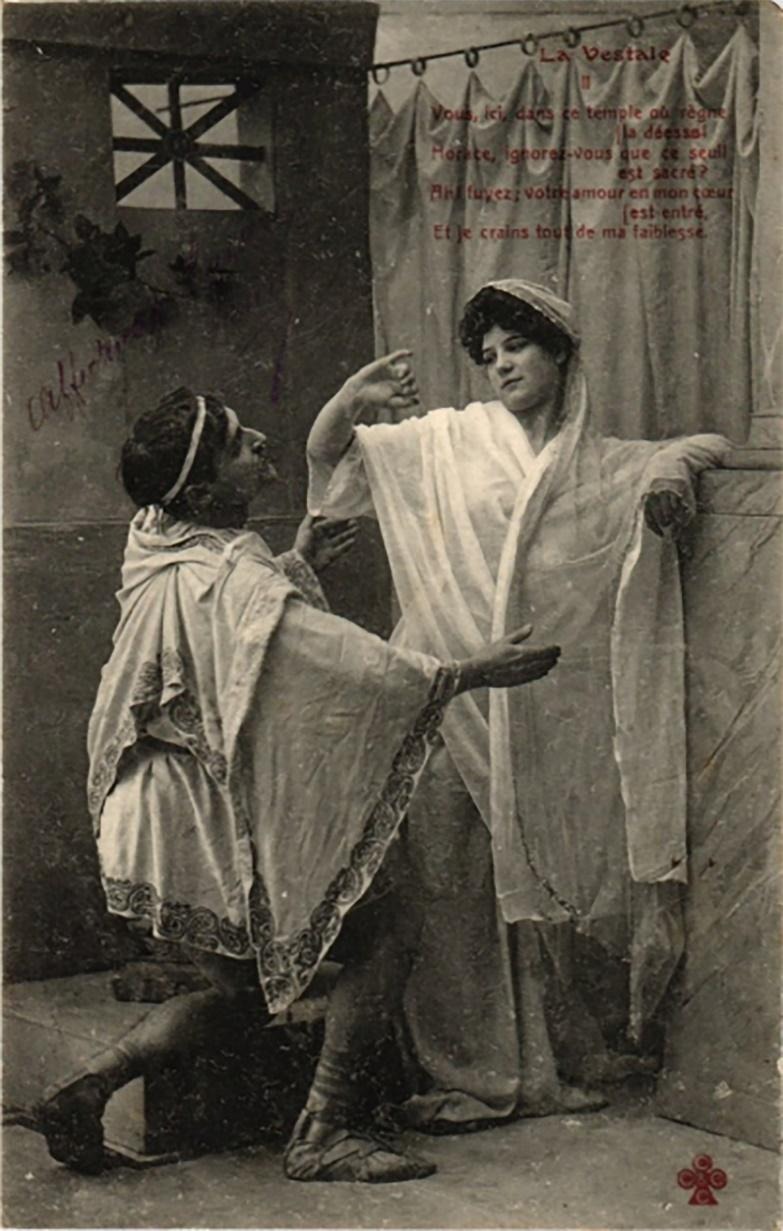
Fig. 1. Postcard from the series La Vestale, by CCCC (Compagnie Charles Collas, Cognac), c. 1903. Attributed to Bergeret. Private collection.
Soon, however, the opera was back in the spotlight. The Béziers Arena, built in 1897 and in which one opera had been staged every August since 1898, chose to commemorate the work’s centenary with two performances on 26 and 28 August 1906 (figure 2). The performance, which received extensive press coverage, featured 200 musicians and a choir set against backdrops designed by Bailly and Jambon, and attracted 15,000 people – the arena’s full capacity. It also inspired a series of postcards that showcase the scale of the sets (Teulon Lardic, 2022). In December 1908, La Scala in Milan began rehearsals to revive the opera. These revivals shortly before and after Pathé’s film, at the very least, explain the cinema’s interest in a lyric opera that had been one of the most frequently performed in the first half of the 19th century. Saverio Mercadante had written a new version in 1840, which was performed at the Teatro San Carlo in Naples in 1840 and revived in Paris in 1842. However, this version, revived under various titles (Emilia, then San Camillo, azione, in Rome in 1842 and 1851), appears not to have achieved the success of Spontini’s work. In France, the opera was not revived after 1854 until its return in 1906.
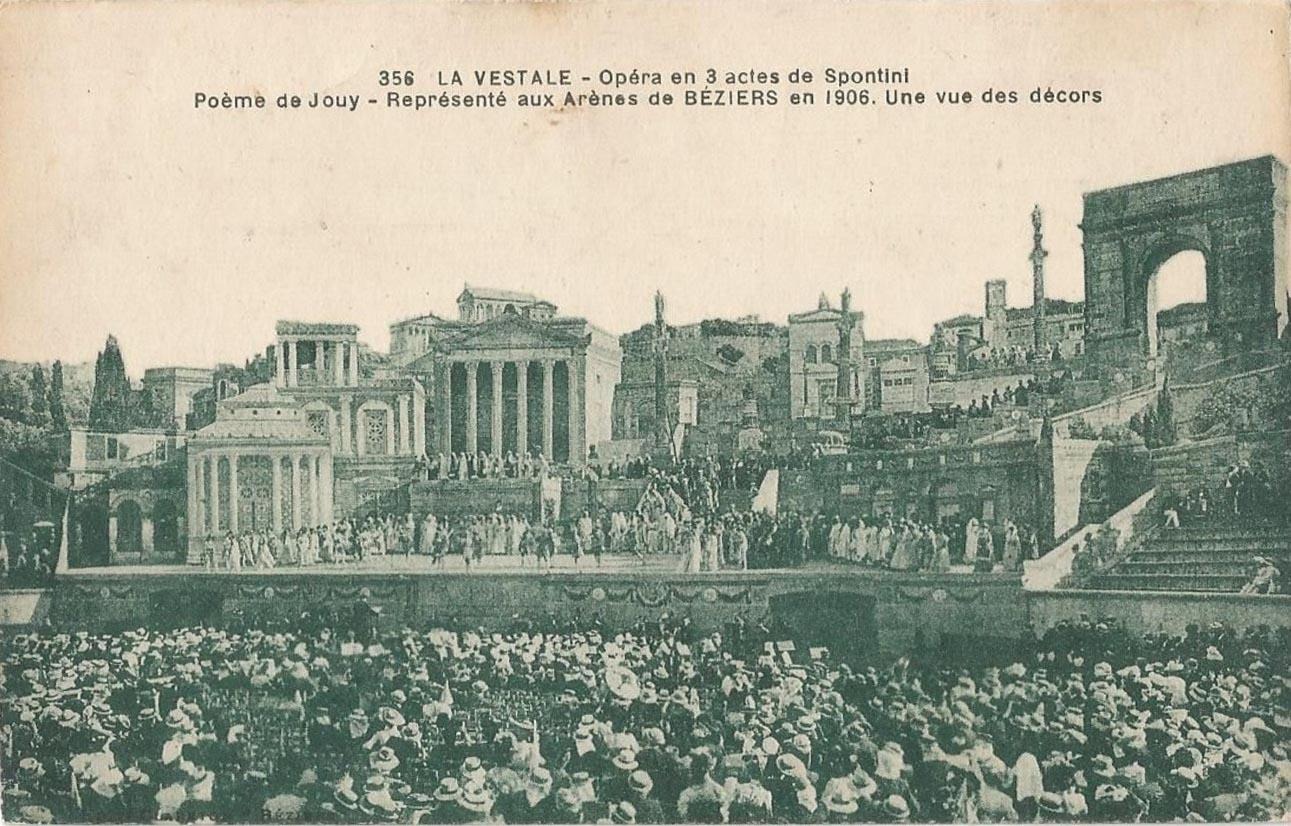
Fig. 2. La Vestale at Béziers. Postcard edited after the show. Collection Ivo Blom. The card shows the vastness of the set, participants, and audience.
In 1908, for the fledgling world of cinema, eager for new material and fresh ideas, the priority in the months following the Béziers production was undoubtedly to capitalise on the buzz surrounding a production that combined all the elements of a grand spectacle. Pathé’s film was the first of the adaptations of that period. Gaumont submitted two screenplays: one in 1909 (the same year as the revival at La Scala in Milan), the other in 1911. Itala Film produced its version in 1909, with many exterior scenes shot on location.
Pathé’s 1908 production shows that the company was particularly interested in subjects that allowed for the filming of multiple scenes in order to construct a complex narrative and feature numerous extras. The parade scene exemplifies this approach. The extras positioned on either side of the procession serve as a silent echo of the centre of the scene. The presence of extras in the arena at Béziers had lent the scene an even greater dramatic intensity. The employment of a large number of actors to make its films was already the rationale behind Pathé’s construction of the first film studio in 1902 (it was also necessary to preserve the sets and provide shelter for them). This approach subsequently encouraged the development of dramatic films in the catalogue and set the company apart from its early competitors.
Adapting La Vestale to screen a century after its creation on stage in France and celebrating a work that enjoyed widespread success in the first half of the 19th century meant the legitimacy of cinema as a new medium could be bolstered by drawing on the nation’s ‘classical’ repertoire. But it also meant choosing a subject that aptly echoed a major social change: the separation of Church and State in France, enacted by the law of 9 December 1905. The love felt by Giulia – the Vestal virgin, akin to an ancient nun – is stifled by the religious dogma that weighs heavily on her life. She appears to have no choice but to resign herself to her fate or perish. In the film, as in the original work, love triumphs over dogma.
Presentation of the Pathé film: script and synopsis
Although the story of the opera was well known, the script for the Pathé film, as filed under the legal deposit system in France, makes no reference to Rome, but to Greece. The two main characters are Athenians: Cleona, ‘a young, wealthy Athenian woman, daughter of one of the leading members of the Areopagus’, and Pelopydas, ‘commander-in-chief of the Greek armies’, who is soon to go to war against the Persians who have come to the city to declare hostilities.
The screenplay, as indicated by the legal stamp, was deposited in 1907 (figure 3). On reading it, there is no doubt that, beyond the duplication of the title, it is indeed inspired by Spontini’s opera and remains faithful to it. This is evident in several episodes: in the procession where one of the vanquished is a Gaul; the desecration of the temple when the Vestal Virgin allows the fire to go out; her sentence to be buried alive; and, finally, the miracle of the fire’s renewal. The synopsis published in Phono Ciné Gazette no. 69 on 1 February 1908 was most likely taken from the synopsis in the catalogue announcing the film’s release (we are not aware of any copies of the 1908 catalogue surviving). It mentions that Cinna – and no longer Pelopydas – returns victorious over the Gauls. At the time of the film’s release, Pathé does indeed take its spectators to Rome. Furthermore, in the film’s final scene, Cinna and Acté (and not Pélopydas and Cléone or Licinius and Giulia, who are respectively the names used in the 1908 screenplay and the 1807 opera) preside over games and dances at the Circus of Flora. Although this scene was edited into the film, it does not exist in any of the currently known copies, nor are there any known photographs of it. Yet it also corresponds to the happy ending of the opera.
Why did Pathé make changes between the time the script was submitted and the publication of the synopsis? Had the author considered adapting the opera by altering its historical period and ancient geographical setting? Was this an attempt to circumvent copyright issues by giving the script a semblance of originality, notably by renaming the characters and changing the setting? In 1907, the rights of Gaspare Spontini, who died in 1851, had not yet entered the public domain. However, Pathé had in fact already been accused of plagiarism. For example, Ta Femme nous trompe, released in October 1907, was denounced as plagiarism of Courteline’s Boubouroche. Retaining the basic plot structure whilst, on reading a synopsis, giving the illusion of an original work, served to minimise the risk of legal action.
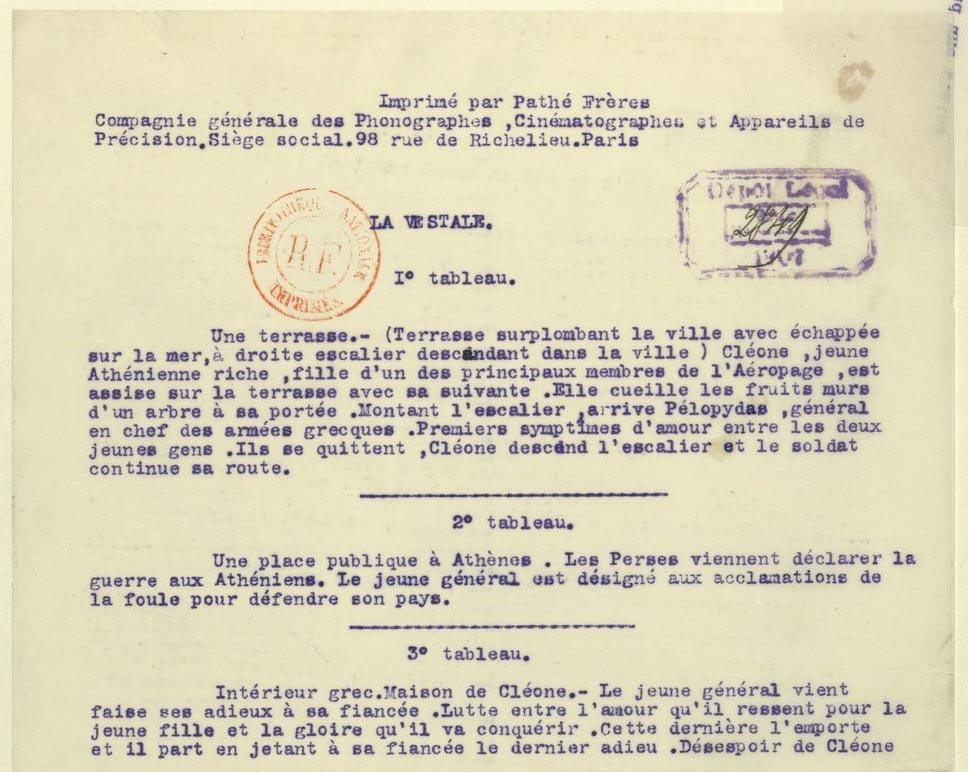
Fig. 3. La Vestale, screenplay deposited by Pathé, 1907 (extract), Bibliothèque Nationale de France
Film publicity, colour and sets
References to films from the Pathé catalogue are frequently found in the local press. Titles are listed to announce upcoming screenings. However, whilst the list may be reproduced and the genre occasionally specified, it was rare in 1908 for journalists to provide additional details, unless the newspaper simply reprinted Pathé’s own promotional material. This is the case with La Vestale. The title is mentioned in Le Sémaphore algérien on 31 January 1908 when the film was scheduled to be shown at the Kursaal in Algiers: it was described as a ‘grand dramatic scene in colour that takes us back to the time of Roman supremacy’ and a ‘very pretty fairy-tale in colour’. Among fellow journalists, La Vestale is described as a ‘remarkable colour production’. Was the pitch provided by the studio or the exhibitor? Did the journalist actually see the film? Be that as it may, it is clear from these advertisements that the interest in the film lies less in the reconstruction of the past than in its evocativeness – the ability to transport the viewer – and, above all, in its use of colour.
According to the observations made in these newspapers, the concept of spectacle is linked to that of enchantment, where colour embellishes and highlights certain elements of the sets and costumes. The decision to shoot the film against painted backdrops lends itself well to this approach. The tunics, armour and certain architectural details, once coloured, serve to enhance the scenes as in a painting. But overall, the tone of the exterior and interior sets is uniform. They are mostly painted in sepia or blue. A frame tinted in pale pink is nuanced by the pale blue of a costume (for example, that of a priest in the tomb scene) and set off by the yellow of the armour or decorative elements, as in the interior scenes at Acté’s house (figure 4). The colour palette is limited, but thanks to the use of tinting and colouring, the entire frame is in colour.[2]
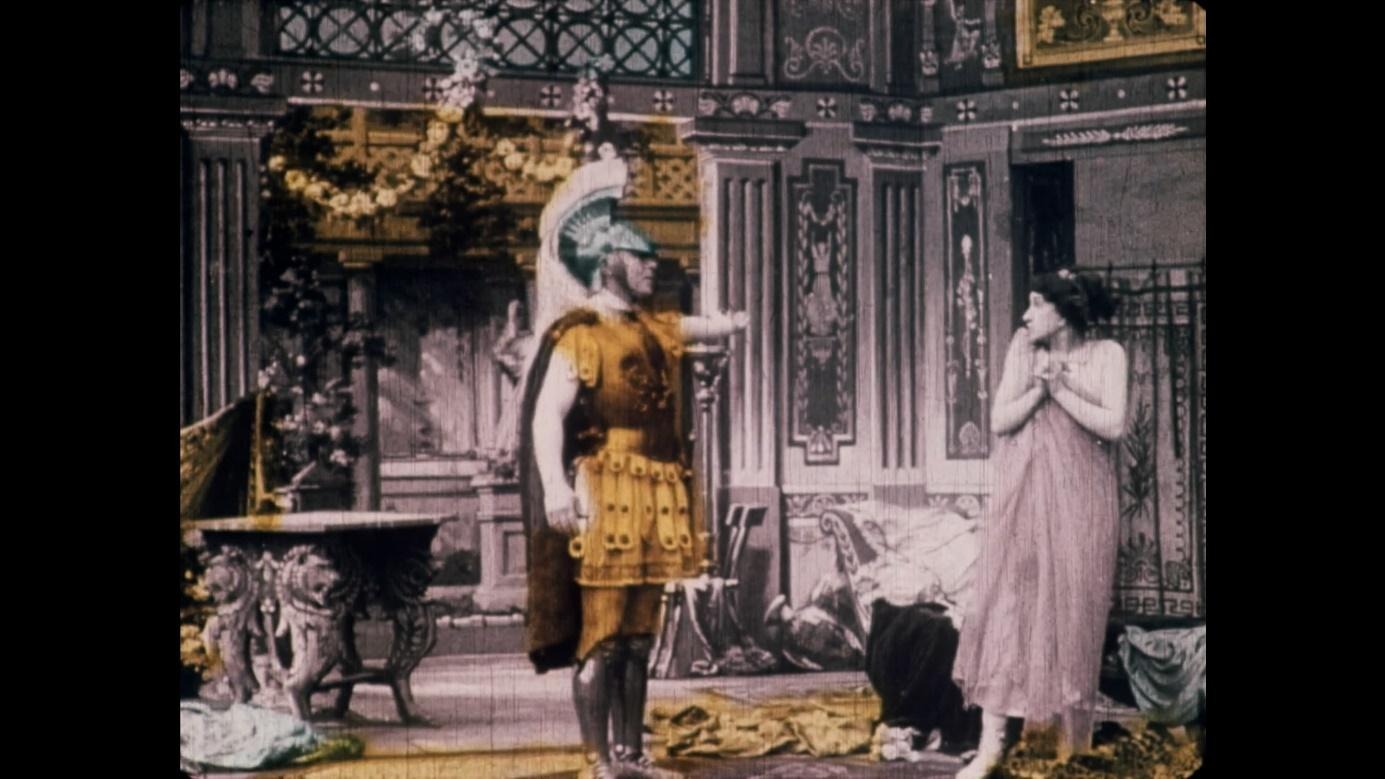
Fig. 4. La Vestale (att. Albert Capellani, 1907). Collection: CNC. Acté’s house
By this time, Pathé had a large colouring workshop. It had opened in the second half of 1904, behind the Vincennes film studio, before being relocated nearby in 1906 to Rue du Bois, in a building capable of accommodating several hundred female workers. The first machines used for colouring, those invented by Florimont, were replaced in 1908 by those of Jean Méry (whose patent was filed in March 1907), which used a pantograph and allowed for greater precision in cutting the stencils. However, La Vestale was already released in March 1908, so the copies would have been coloured using the Florimont machines. They give a more artificial impression than the Pathécolor system, which tended towards a more realistic representation of tones, focusing in particular on the colouring of natural motifs rather than elements such as costumes or props, as had often been the case at Pathé since the turn of the century. La Vestale can therefore be described as a film from the transitional period. In the copy held by the Pathé Foundation, ‘colour’ is applied mainly to a few motifs or costumes, to add nuance to the monochrome tones of the sets, likely achieved through dyeing (the workshop for which was based at the Joinville factory). The parade scene, for example, is tinted blue, with no other colour added. The garden scene uses only two colours to distinguish the trees from the staircase and the town.
By using colourisation, was Pathé employing a technique that was becoming outdated, soon to be superseded by outdoor filming and a more natural colour palette? Its team immediately placed themselves within the tradition of a visual culture that spanned much of the 19th century and did not concern itself with the question of archaeological reconstruction. The painted, coloured canvases in the film are reminiscent of dioramas and panoramas, particularly those depicting ancient scenes (Rome, Vesuvius, the Bay of Naples, etc.), that several generations of viewers had been able to admire. They form part of a cultural tradition of staging where the set is brought to life through the ingenious combination of light and colour. When the film was projected, the decorative effects would have been emphasised by the use of colour, especially when it was applied as a special effect.
This is the case in the most dramatic scene – the climax, so to speak – in which Acté must die. The viewer appreciates the miracle of the sacred fire reigniting because a colour (possibly yellow) has been applied with a brush to a sequence of still frames to represent the flame (figure 5). It comes to life during the screening. The use of colour draws the eye to the prop and conveys the miracle, while also foreshadowing the story’s happy ending. The same technique is used in Pathé’s Amour d’esclave of the preceding year when a slave throws incense into the censer. The scene was staged so that the flames would be coloured on the prints: the rekindled fire introduces a dream sequence (see my essay about the film on this website). In both cases, the visual trick of the flame, which is a special effect, thus contributes to the narrative. It shows that the decision to colour certain elements of the scene was certainly made before the copies arrived at the colouring workshop, although we have no evidence to indicate who dictated the choice or how it was communicated. In the colouring workshops – whether Pathé’s own or an external studio – the flames were painted using a fine brush, without the use of a stencil, and with particular care; this was quite different from the standard process of colourisation organised into distinct stages of production, as Pathé had established in its own workshop. This colouring technique, taking the flame as an example, still required a high degree of artisanal precision. Were certain colourists in the workshop assigned to this task? Did Pathé send the copies out to external workshops for this type of work? I have no idea. But we do know that the colourist Berthe Thuillier continued to work for Pathé for a few more years after their ‘break-up’ in 1906 (when it was decided that she would not take over as head of the workshop). It is possible that she was called upon for this sort of work.
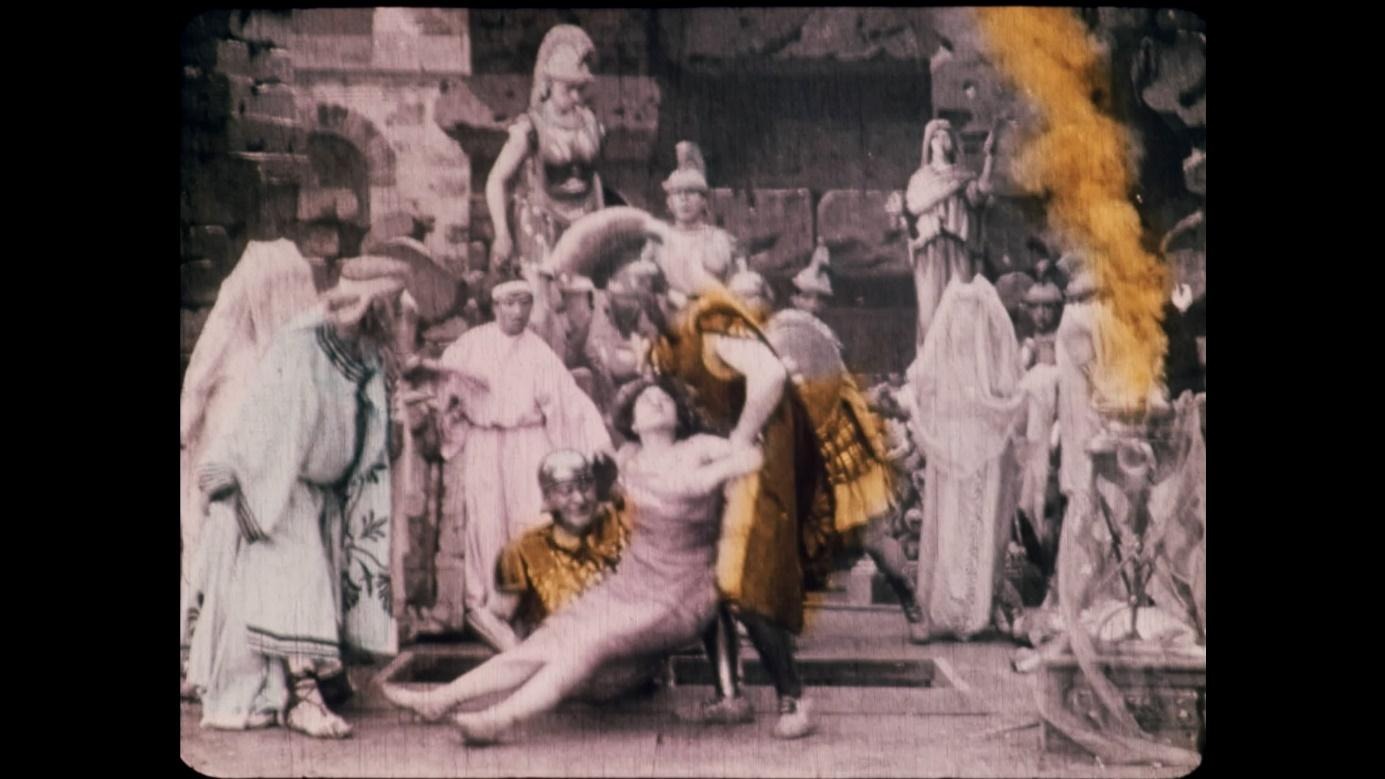
Fig. 5. La Vestale (att. Albert Capellani, 1907). Collection CNC. Acté saved - mark the holy flame on the right.
Returning to the sets, the numerous details painted on the canvases allow for a more precise use of colour than would be possible with a natural outdoor setting, which would be less static and perhaps more minimalist. The painted canvases also draw on theatrical set design techniques. They employ depth effects by depicting angles, as in the scene where Cinna appears at the entrance to the Temple of Vesta. The canvases were, in fact, created by a team of set designers, several of whom had previously worked in the theatre. The painted backdrops depict both interiors (the hall of the palace of Acté’s father, the temple, the tomb) and exteriors (the garden, which opens the film and lends it a sense of intimacy; the scene of the military parade, followed by that of the encounter between Acté and Cinna). The backdrops make it possible to recreate, without having to build from scratch, a Roman interior, a triumphal arch, a façade, and the interiors of sacred places such as the temple and the tomb. There were simply too many such scenes for film crews to find appropriate locations in France. American studios would follow suit in the 1950s and 1960s by using matte painting: a profusion of detail, accentuated by a subtle use of colour, would enrich their evocation of antiquity while enhancing the scenes (examples include the sets of Mervyn LeRoy’s Quo Vadis [1951], Henry Koster’s The Robe [1953], and its sequel, The Gladiators directed by Dalmer Daves [1954], where Rome is painted as the backdrop to the arena).
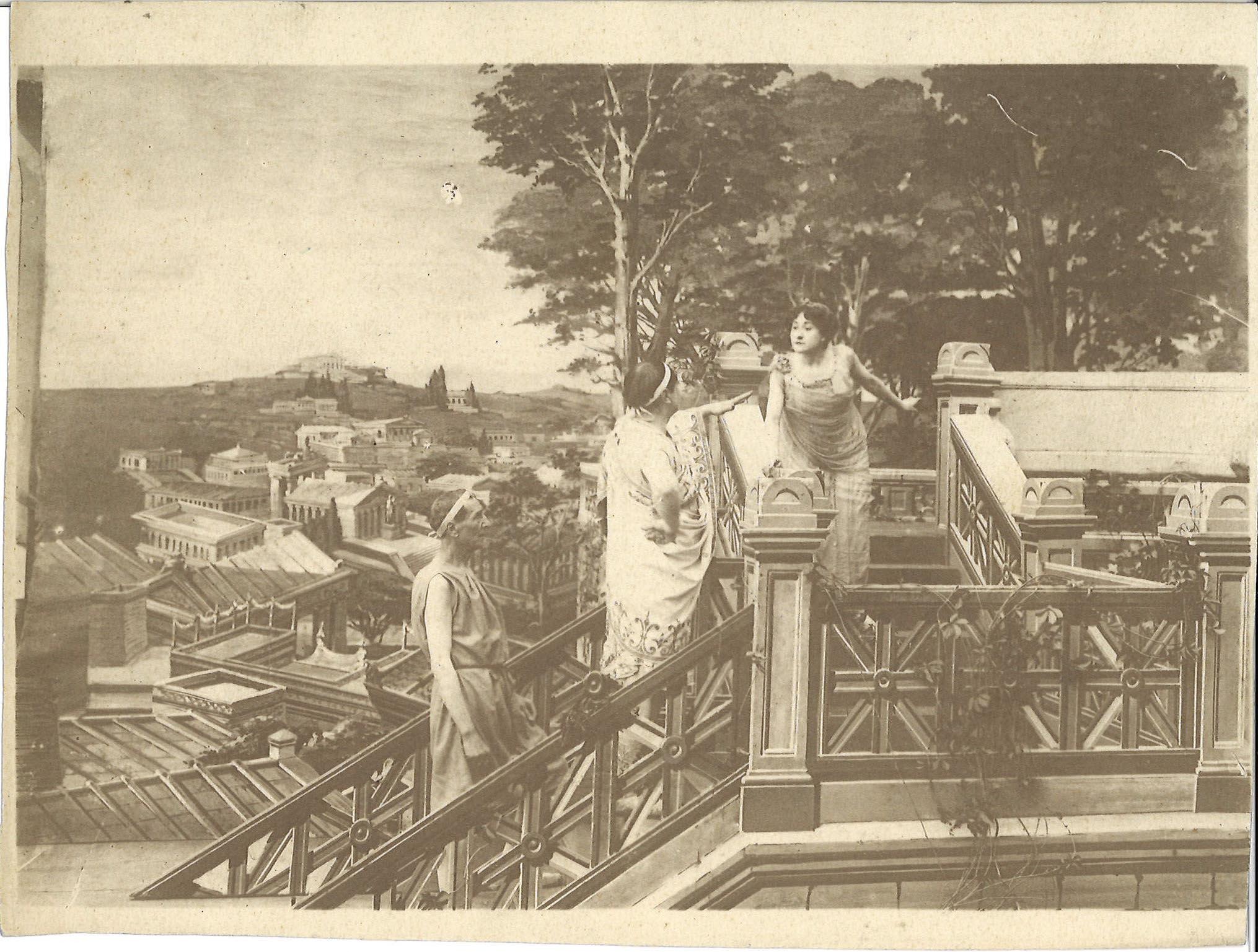
Fig. 6. La Vestale. Phototypie. Collection Fondation Pathé.
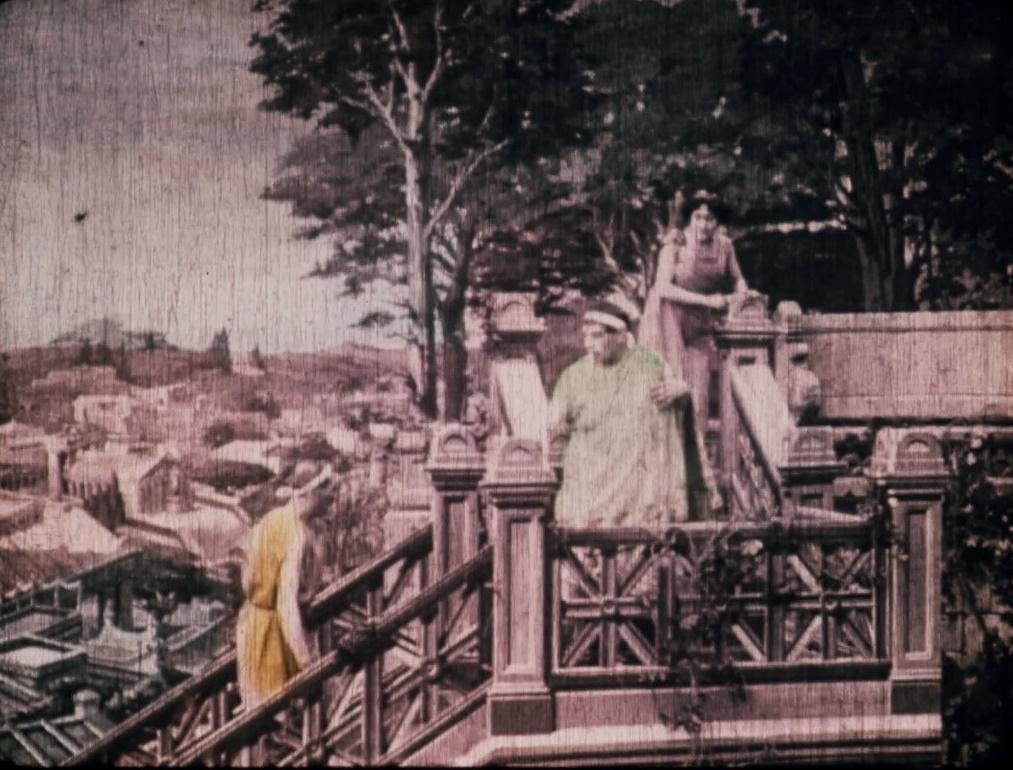
Fig. 7. La Vestale (att. Albert Capellani, 1907). Collection CNC
Even in La Vestale, the painted backdrop establishes the setting of the action, situating it in a space that extends beyond the intimacy of a love story. In the first scene, the garden is set on one of Rome’s seven hills, overlooking the Forum (figures 6-7). The city is evoked on the left-hand side of the backdrop by the presence of temples and urban buildings in the distance. The parade scene before Cinna’s departure adopts the same concept of a miniature painted backdrop to evoke the city of the seven hills and the Forum in particular, the epicentre of its political and religious activity – a theme echoed by the scene celebrating Cinna’s return, which shows a jubilant crowd welcoming the victor’s procession. A temple, painted on the canvas, is indeed visible in the far right of the background. More precisely, it is a superimposed image of a columned temple towering above other architectural structures (figure 8). The drawing is in fact a faithful reproduction of a set design by Pierre-Luc Charles Cicéri (1783–1868) for Act III of the opera La Vestale: ‘Le Champ d’exécration’, known from a drawing dated 1821 held by the Bibliothèque nationale de France (figure 9).[3] It is said to depict the place to which Acté/Giulia is led to be buried alive. The memory of Cicéri’s creations, which dominated the first half of the 19th century, remained vivid. During his lifetime, he was regarded as a master of stage design. He also collaborated with Daguerre on dioramas.[4] With this reference to Spontini’s opera, Pathé is thus following a French tradition.
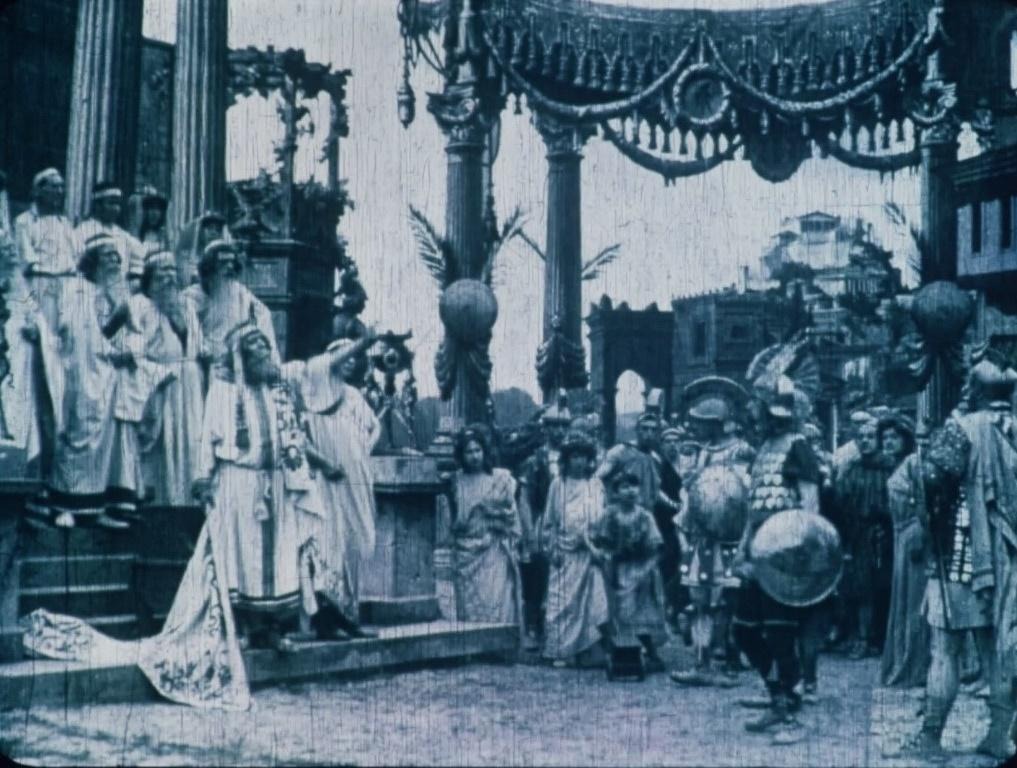
Fig. 8. La Vestale (att. Albert Capellani, 1907). Collection CNC.
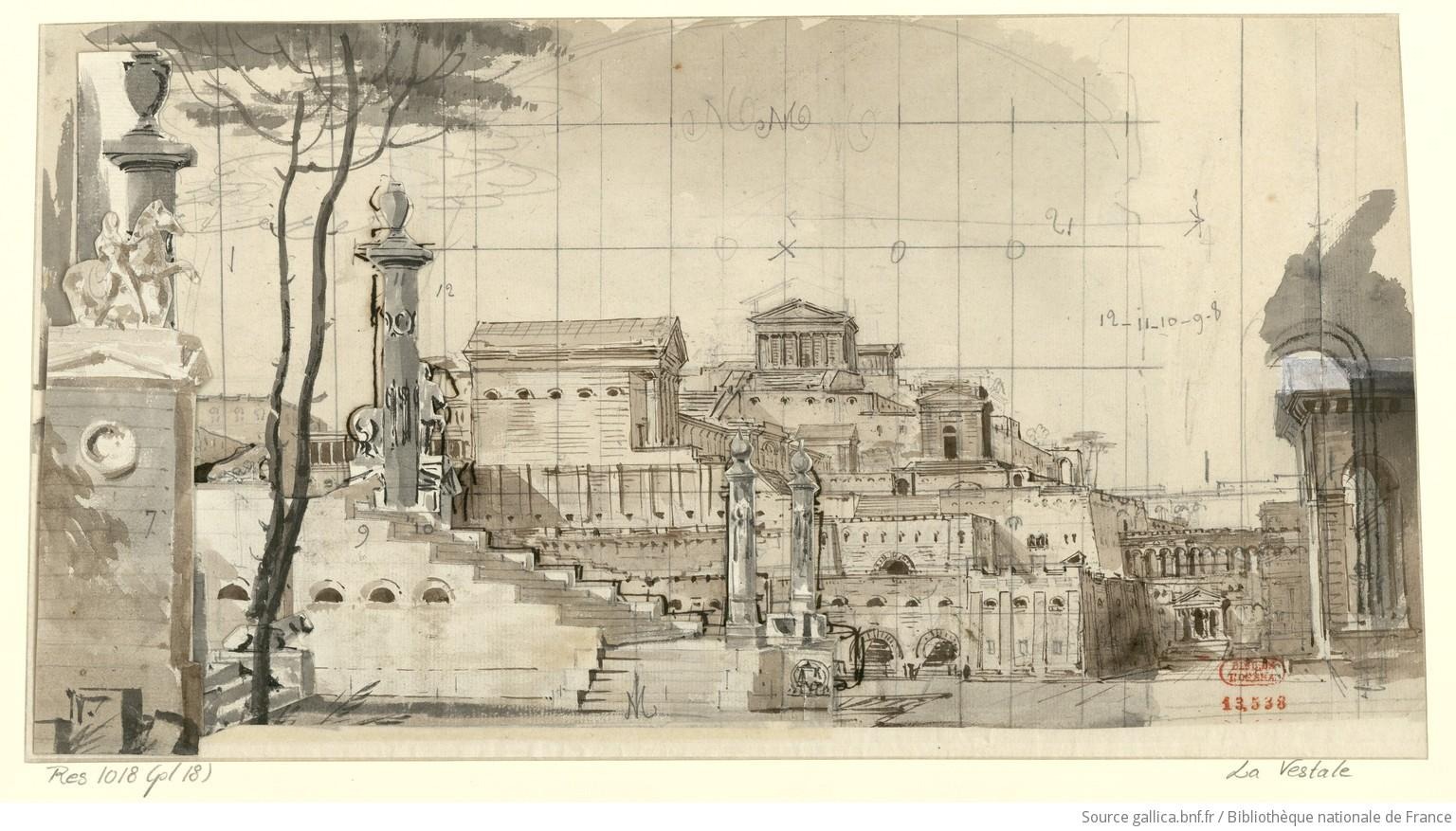
Fig. 9. Pierre-Luc Charles Cicéri (1821) for Act III of the opera La Vestale: ‘Le Champ d’exécration’. Bibliothèque Nationale de France
Even more surprising is the choice of the exterior and interior settings for the Temple of Vesta, which also appear to draw on Spontini’s opera (the temple with a colonnaded façade that features in the procession scene and which Cinna visits to see Acté, and the interior of the temple where the flame is kept). The set designers at Pathé clearly chose to depict a rectangular building like that created for the opera and not the original circular temple. By the early twentieth century, and indeed at the time of the creation of Spontini’s opera, and even earlier with the version in the gardens of Tivoli, the circular colonnaded temple had been depicted on several occasions. These depictions were now well-known and might have been expected to serve as models for the set designers.
It is difficult to ascertain the influence of the iconography of Francesco Salviati’s drawing La Visitation at Oratorio de San Giovanni Decollato or, later, Histoire de Paul III at Palazzo Farnèse (in which the circular temple appears in the background) even though the painter’s stay in France in 1556–1557 had a profound influence on French culture. The Mannerist artist Antoine Caron depicted a circular temple in Triomphe de l’été (c. 1568–1570), in Triomphe de l’hiver (c. 1568), and in preparatory drawings such as La Renaissance des Arts et des Lettres (from the series L’Histoire des rois de France, c. 1562–1572, now in the Louvre Museum’s Department of Drawings) (Ehrmann, 1986). Giambattista Piranesi also produced several engravings of it, including various views and cross-sections published in Le antichità romane, drawing inspiration from the circular building in Tivoli, as did other eighteenth-century painters (Jean Joseph Xavier Bidault, for example). The influence of Charles Louis Clerisseau (1721–1820), winner of the Prix de Rome in 1746, might have been more direct. He depicted it in the painting Temple de Vesta et bâtiments romains (now housed at the Palazzo Corsini in Rome). However, although the painter’s numerous drawings of ancient monuments inspired the Neoclassical style, this painting depicting a temple appears to have been overlooked. Its iconography was of no use to the set designers at Pathé more than a century later.
The iconography of the Temple of Vesta chosen by French theatre and the Pathé film remains faithful to Cicéri, or even to the painting by Louis Hector Leroux (1829–1900), which depicts the Vestal Virgins before a temple of classical design, preceded by a colonnade, with a parallelepiped plan. The approach taken by Itala Film in 1909 was more faithful to the iconographic tradition: in that film, the protagonists move about within a circular temple. The Italian set designers were apparently inspired more by the abundant and well-known iconography of the visual arts, which had also been popularised through Mercadante’s opera. Yet, it is remarkable to observe that two years after La Vestale, the Temple of Vesta in the film Héliogabale (Le Film d’Art, 1910) is circular in shape (see Ivo Blom’s text on Héliogabale on this site). The importance of opera to Pathé’s film is thus especially clear with regard to the design of the temple.
Antiquité sur Seine
In most scenes of the film La Vestale, the flat staging provides a wealth of detail and helps to create a sense of depth. It places the protagonist within a space far richer than his movements on stage alone would suggest. He performs ‘in front of’ the set. In the palace scene, where Acté learns of Cinna’s departure for war, the actors enter from the back and exit stage right. During the procession, the flow moves from stage left to stage right. However, two moments stand out where the stage architecture serves the movement of the actors: the garden scene, where the encounter between the couple takes place on the terrace overlooking the staircase, and the death scene where Acté disappears as she descends into the tomb. The painted backdrops, with their wealth of detail and vanishing points, demonstrate just how constrained the photographic frame and the actors’ performance remained in this film. There is little camera movement, no moving sets that unfold as the scene progresses (although this technique was in use), no close-ups, and obviously no zooming. However, the focal lengths used by Pathé already allowed for the creation of depth of field, and films had long been shot using outdoor sets. It is a minor point to note that the film was shot outdoors. The breeze ruffles the horses’ manes in the parade scene. It is also noticeable in the encounter scene.
Yet, interestingly, location shooting took place for French films set in Gallic antiquity. At least two examples can be found among Pathé’s films: Vercingétorix (1909) and Au temps des druides (1912) (figure 10). Although the film footage of the former has been lost, we are aware of a coloured postcard and a promotional phototype, one depicting the Gauls preparing for battle, the other showing the Gauls in the Roman camp. This setting is a field bordered by trees. As Vercingétorix is on horseback, this seems a more appropriate choice for depicting the battle of a warrior and his army. In the second example, Au temps des druides, shown in colour in the catalogue, the druids are surrounded by dolmens (incidentally, two houses built during filming can be seen in the background on the right). The theme of the fiction—the thwarted love between a Roman centurion, Vinicius, and Dia, a young Gallic priestess—is, moreover, similar to that of La Vestale. In 1909, the documentary Au pays des druides, classified among outdoor scenes in the Pathé catalogue, was already presented as a view with both heritage and legendary qualities: ‘Of all the French provinces, Brittany is the most curious and interesting, with its rocky coasts upon which the waves crash ceaselessly. The remains of the altars built by the ancient druids still stand, surrounded by enormous stones that were worshipped as gods by the ancient Celtic priests.’ The question of whether to film on location does not seem to arise in terms of modernity and naturalism. On the contrary, it appears to be resolved whenever the subject matter makes it practicable: it is easier for Pathé to go and film in Brittany than to transport its crews to Roman ruins in Italy.
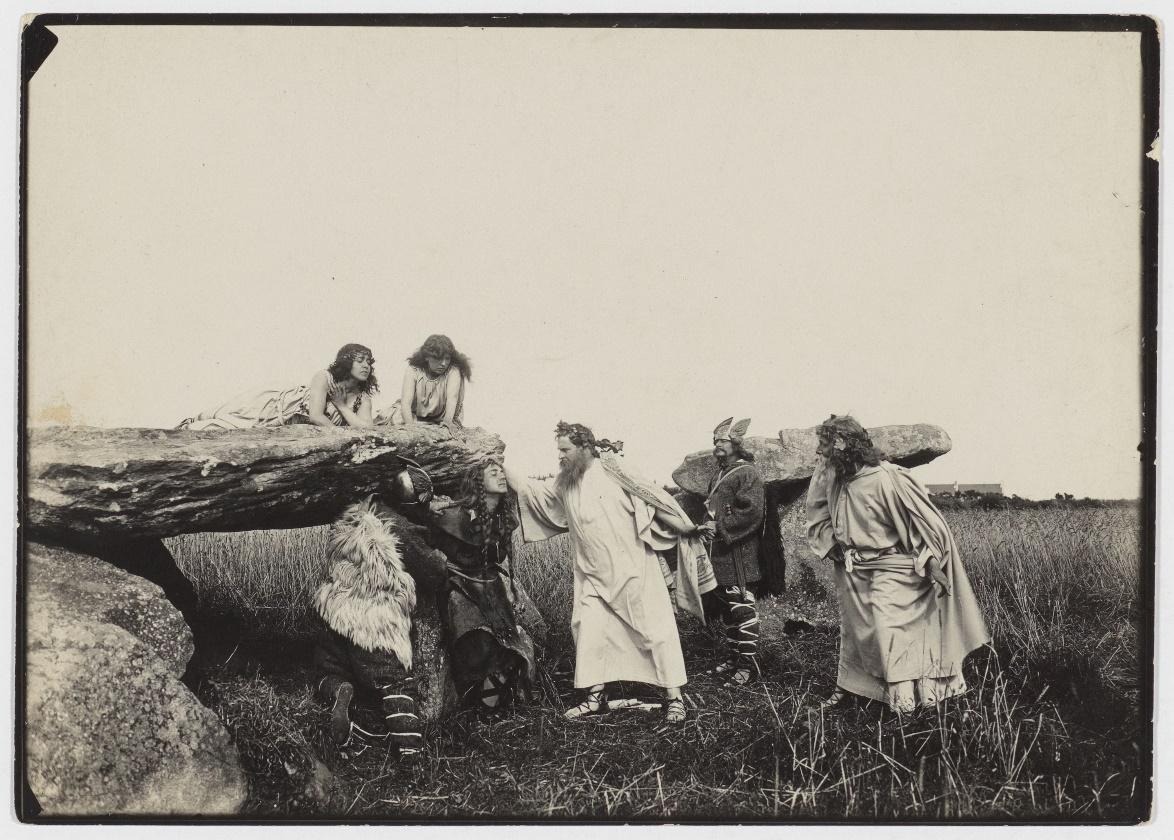
Fig. 10. Au temps des druides (anonymous, 1912), silver print. Collection Fondation Pathé, Fonds PH. Legendre.
The cast
The review of the film in Phono Ciné Gazette, No. 69, dated 1 February 1908, gives no indication of the film’s cast. Advertisements rarely mentioned actors prior to 1908, and this practice continued even after the creation of Film d’art and the Société Cinématographique des Gens de Lettres (SCAGL). It appears, however, that the film’s leading role, that of the Vestal Virgin, was played by a dancer, and that her profession likely influenced the casting decision. Thus, when she receives the messenger at her home and decides to take the veil, believing Cinna to have died in battle, she performs dance steps. The drama is conveyed through these few steps, which express her despair. This same female performer appears frequently in Pathé films from around 1904 onwards. She seems to have been employed as often as Renée Doux. She also played the tragic heroine in the film Roman d’amour in 1904. Intriguingly, the set designer Hugues Laurent, in a manuscript collected by the Commission des recherches historiques (which included Henri Langlois, Musidora and historians such as Georges Sadoul and Jean Mitry, with the aim of gathering the memories of those who contributed to the early days of cinema), provides details about the filming of Roman d’amour, particularly regarding its sets and the actors. He identifies the two leads as ‘Lenormand [Normand] and Mlle Ritt, a former dancer. According to Laurent, the actress is said to have been Jacques Lenormand’s wife.[5] We would like to solve this mystery, but her identity remains a matter of conjecture.
Nevertheless, the actress who plays the lead role in Roman d’amour and the ballerina in La Vestale are one and the same. She also appears in Le Cœur de Thellys in 1909 (figure 11), based on a screenplay by Daniel Riche that was adapted from his novel. We have photographs of this film, as well as the credits, which are specified in the screenplay filed for legal deposit at the Bibliothèque nationale de France. The only female performers mentioned are Jeanne Marie Laurent of the Théâtre du Vaudeville and Rose Ridde of the Opéra-comique. Their roles are not specified, but judging by the photographs, the first actress is recognisable as playing the character of Anthéa. If we refer to the synopsis of the film, which mentions two female characters, Rose Ridde appears to play Fathima, a jealous slave. Having compared the two films, we may assume that Hughes Laurent wrote ‘Ritt’ instead of ‘Ridde’. According to the Parisian press, in 1908 Ridde was a member of the corps de ballet at the Opéra-Comique, where she danced in Glück’s Alceste alongside, among other dancers, Napierkowska, who would soon be performing for Pathé. Having passed away in 1930, Ridde was hailed by the newspaper Comoedia as a ‘ballet mistress’ who had worked at the Trianon-Lyrique, the Opéra-Comique, the Théâtre du Châtelet, the Casino de Paris and the Folies-Bergère. Numerous periodicals mention her right up until her death. Her career began at the end of the 19th century. Rose Ridde was engaged by the Sarah Bernhardt Theatre in October 1910 to choreograph the Greek dances for La Conquête d’Athènes. It should be noted, however, that the reproduction of a photograph associated with Ridde’s name, published in the magazine Le Théâtre on 1 December 1911, does not allow us to confirm this. Ridde appears in the scene ‘La Danse des sioux’ from La Course aux dollars, which was being performed at the Théâtre du Châtelet, but the reproduction in the magazine has been retouched too heavily for us to reach a firm identification (figure 12).[6]
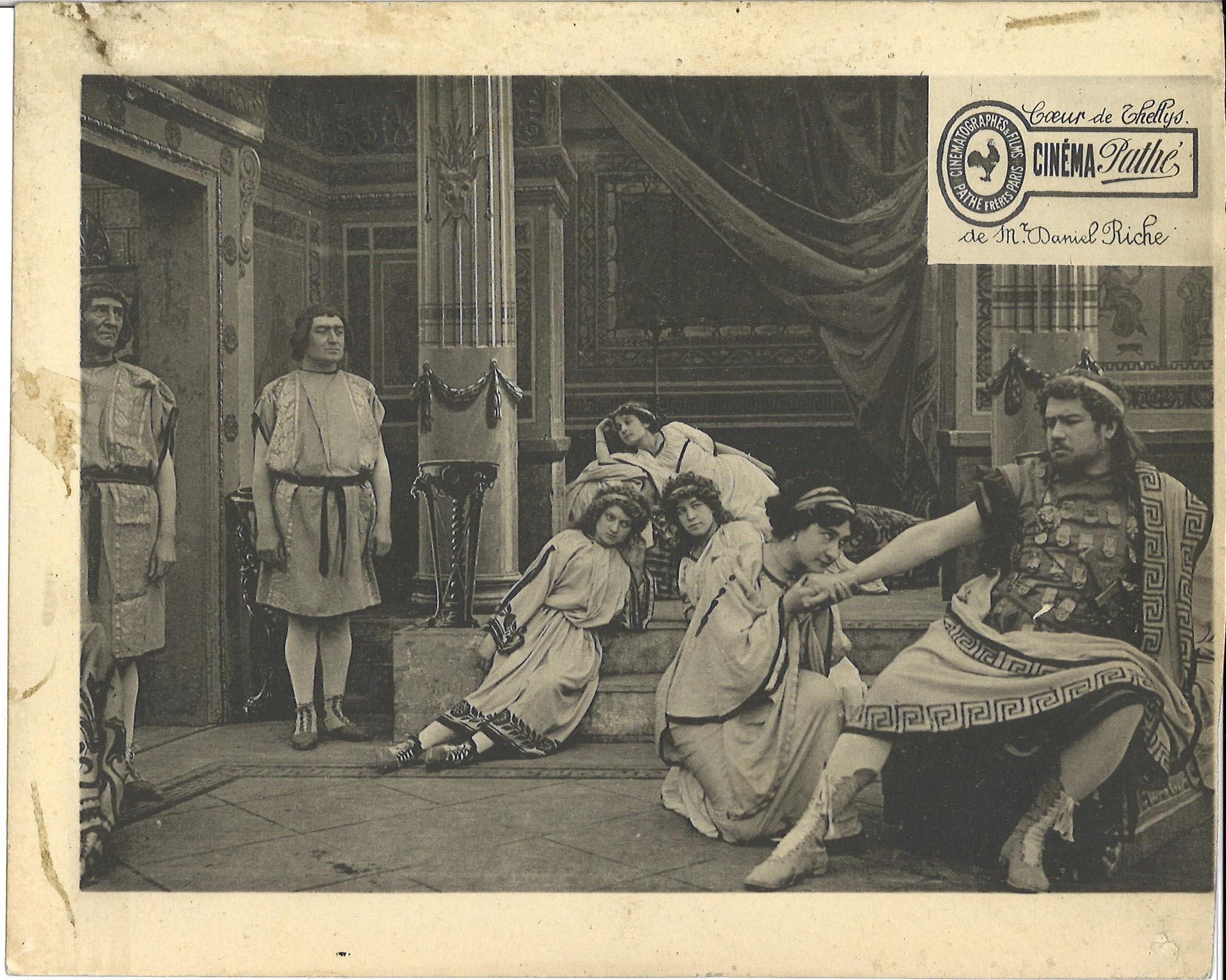
Fig. 11. Coeur de Thellys (Daniel Riche, 1908), with Rose Ridde and Georges Dorival. Phototypie. Collection Fondation Pathé.
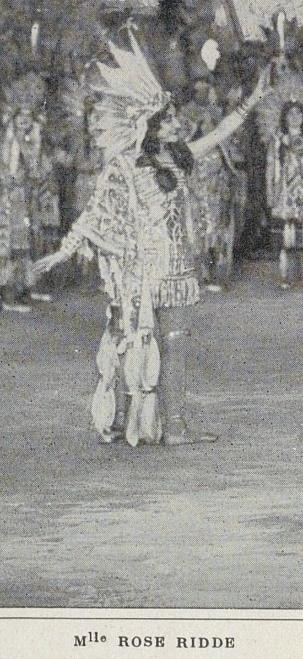
Fig. 12. Rose Ridde in La Course aux dollars, Théâtre du Châtelet (1911). Source: Le Théâtre, 311, 1 December 1911, p. 17.
Conclusion
Participating in the revival of a classic work, Pathé’s La Vestale can be understood as a film created for the sake of spectacle, its production methods mirroring those of the theatre. It can also be viewed as the end of an era. Indeed, Pathé did not participate in the adaptation of the bestselling historical novels published during the same period, which were snapped up by other production companies, particularly Italian ones (Quo vadis?, The Last Days of Pompeii, and Fabiola or the Church of the Catacombs). In a sense, for the French company, Antiquity served as an enthralling backdrop rather than a narrative framework, and the focus of films such as La Vestale, Amour d’esclave and Idylle romaine, was primarily on romantic drama (for La Vestale, see also Abel, 1994: 166-167).
Stéphanie Salmon
Footnotes
- ^ A fashion trend during the ‘Directoire’ period (1795-99), characterized by its debauchery and extravagance as a reaction to the ‘Terreur’ years under Robespierre.
- ^ For this text, the tinted and coloured-in version of La Vestale at the CNC (Centre National de la Cinematographie, Paris) was used, based on an original distribution print. This version measures 225 m in length (same as the original), whereas the restored print at the BFI measures only 382 ft./ 116 m. Almost half of the film is missing, e.g. the arrest of the illicit couple at the temple. The BFI print also had problems of solarisation and all its shots are inversed. All captures in this text are from the CNC version.
- ^ Consultable in 2026 at : https://gallica.bnf.fr/ark:/12148/btv1b7001318x?rk=64378;0.
- ^ In the incomplete BFI copy, this shot is reversed.
- ^ Contrary to what Hugues Laurent claims, Normand was not married before the 1920s (Ridde would therefore have been merely his partner). Furthermore, the set designer gets some names wrong, writing ‘Longuet’ instead of ‘Nonguet’, and stating that Renée Doux was ‘Mrs Longuet’. However, the woman whose three marriages are now identified is still known as Mrs Doux by her maiden name and would later become Mrs Zecca.
- ^ Le Théâtre, 311, 1 December 1911, p. 17.
Abel, R. (1994) The Ciné Goes to Town: French Cinema, 1896-1914. Berkeley/ Los Angeles: University of California Press.
Ehrmann, J. (1986). Antoine Caron: Peintre des fêtes et des massacres, Paris: Flammarion
Salmon, S. (2024) ‘Antiquités muettes chez Pathé’, in Salmon, S. and Riboud-Seydoux, P. (eds.), Antiquité et Cinema. Paris: Fondation Jérôme Seydoux-Pathé, pp. 9-19.
Teulon Lardic, S. (2022). ‘Cultiver le nationalisme dans les Théâtres de plein air. La programmation musicale à Orange, Nîmes et Béziers, de 1894 à 1914’, RGI - Revue Germanique Internationale, 6, pp. 133-146.