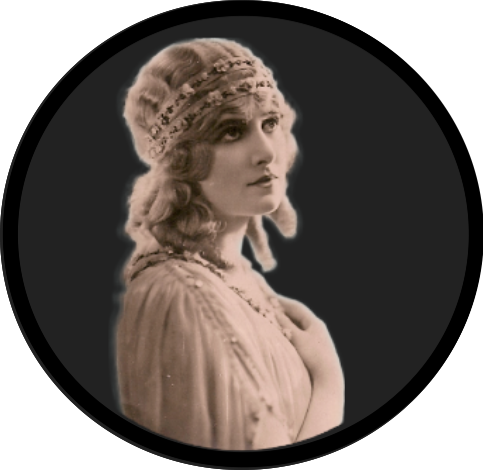
Many films about ancient Greece and Rome were made during the silent era which lasted from the 1890s through to the 1920s. The AHRC-funded project Museum of Dreamworlds asks how early encounters between classics and cinema shaped both the place of antiquity in the modern world and the history of cinema. Using the surviving silent films in the BFI National Archive, we are tracing how, thanks to cinema, classical antiquity was rendered a powerfully immersive and democratic dreamworld, while, thanks to antiquity, cinema laid claim to the status of an art and one, moreover, that was educational - a 'museum’ of those ancient dreamworlds. We explore how cinema designed its Greek and Roman dreamworlds (their geographies, exterior and interior sets, furnishings, costumes and props, as well as the stories they served). We ask what might be the determinants of those designs and how did these dreamworlds speak to contemporary concerns? We also consider how those recreated worlds were used as
instruments of mass education and what their pedagogic purpose might be today.
This website is one of the results of our project. For an explanation of its layout and developing features, see our introductory essay. We also explain there the methods behind our inquiries, survey our research findings and indicate some of the project’s other activities and future resources that we will be creating, until the end point of the funded stage of the project in November 2027 and beyond. Do contact us if you have any queries at museumofdreamworlducl@gmail.com
This website is one of the results of our project. For an explanation of its layout and developing features, see our introductory essay. We also explain there the methods behind our inquiries, survey our research findings and indicate some of the project’s other activities and future resources that we will be creating, until the end point of the funded stage of the project in November 2027 and beyond. Do contact us if you have any queries at museumofdreamworlducl@gmail.com