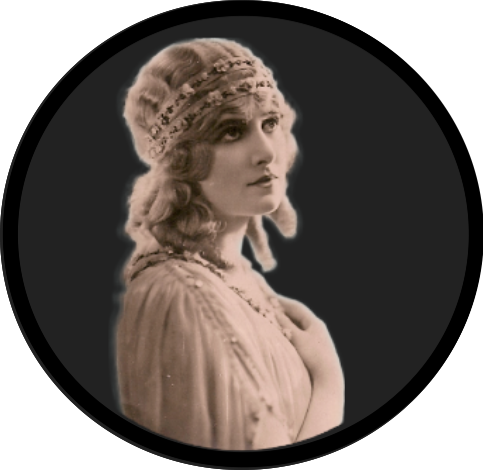
Pygmalion
Analyses
1 - Introduction to website & project
In this introductory essay, we explain the layout and features of the Museum of Dreamworlds website, in order that you can see how to navigate it and make it useful for you. We explain the methods behind our inquiries and survey some of our research findings. We also indicate here some of our project’s other activities and future resources that we will be creating until and beyond the end point of the project in November 2027. We will be developing and extending this introduction as we continue to analyse the antiquity films in the BFI. At this stage, the website is also a work in progress so we would greatly welcome any questions you may have as well as suggestions for corrections, clarifications, additions or improvements, or notification of any malfunctions. We can be reached at: museumofdreamworlducl@gmail.com
1912- Sculpture and the Pygmalion myth: Pygmalion and Galatea
Among the silent antiquity prints in the BFI, we have recently been able to identify the 1912 British film Pygmalion and Galatea, previously considered lost. The original story for the film’s representation of the Cypriot sculptor Pygmalion is Publius Ovidius Naso’s Metamorphoses (1-8 AD). Two recent studies by Victor Stoichita and Paula James have productively explored the centrality to cinema of Ovid’s mythic tale in which the stone of Pygmalion’s creation is transformed into female flesh. Yet, closer in time to the film lies the influence of nineteenth-century ‘Pygmalionism’ in art and theatre, as well as the myth’s development in earlier European cinema